

A distributor wins a kit order, ships it, invoices it, and then hears nothing for two years. The kit earns its margin once. The consumables inside it, from dressings and gloves to wipes and saline, get used on a schedule nobody is tracking, and the replacement order goes to whoever answers the phone when the kit finally runs low.
A first aid refill subscription closes that gap. Instead of selling a kit and waiting for the next tender, the distributor sells a replenishment cadence: a fixed list of consumables, at agreed intervals, with the same component codes each time.
The model needs no software platform. It needs three things a distributor already holds, which are the customer’s kit specification, a consumption baseline, and a component list that stays stable between orders.
This guide covers where the recurring revenue actually comes from, how fast consumables move in different environments, and the contract terms that decide whether a first aid refill subscription renews or quietly expires.
What a First Aid Refill Subscription Actually Sells
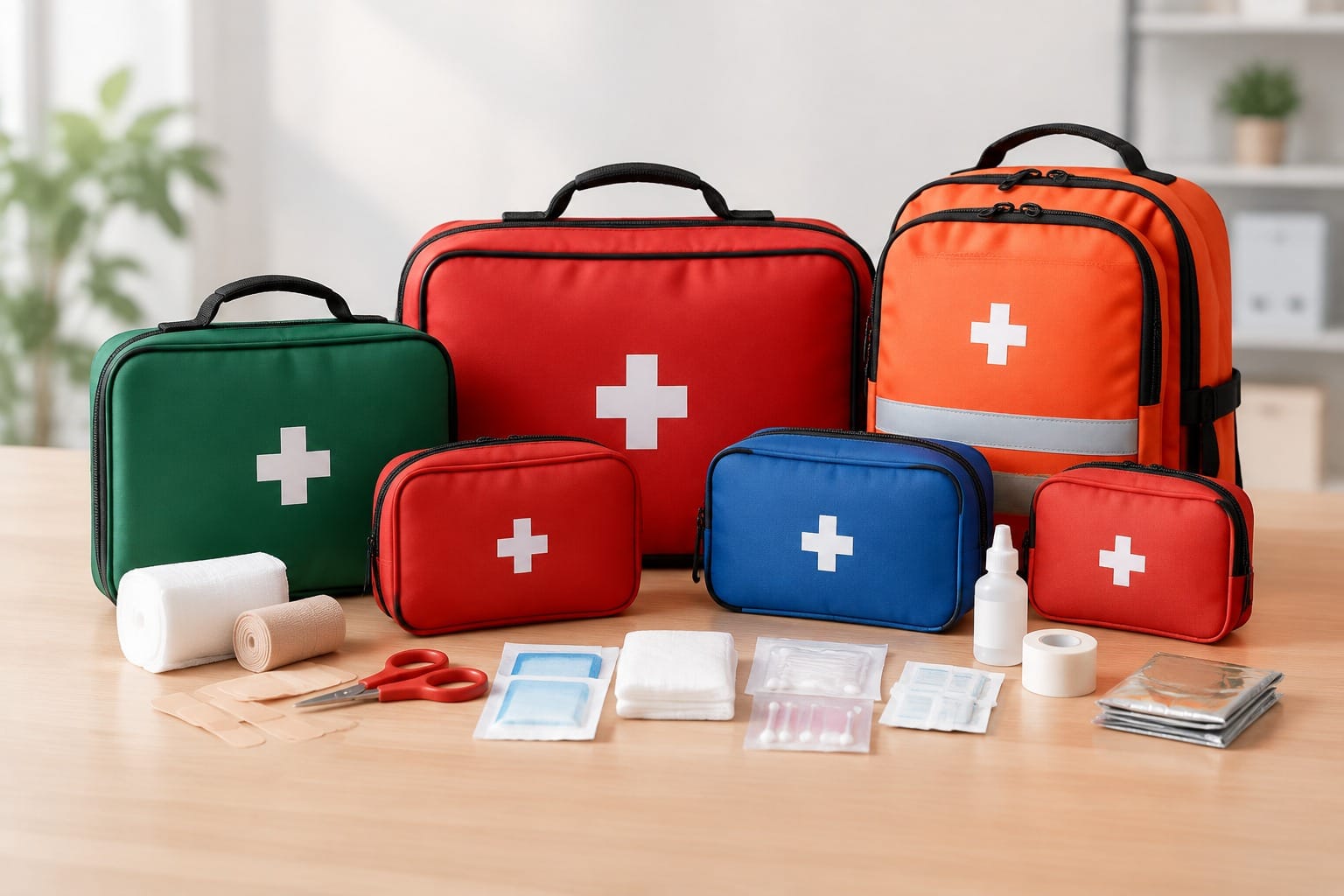
The sale is not the consumable. It is the removal of a decision.
An end user who buys a kit accepts one obligation, which is to keep that kit complete. The obligation is easy in month one and hard in month thirty. A first aid refill subscription transfers the tracking problem to the distributor, who is better placed to solve it because the distributor already knows the kit contents, the component codes and the order history.
Three elements have to be defined before the programme can be quoted at all.
| Element | What the buyer is buying | What the distributor must be able to do |
|---|---|---|
| Baseline | A stated consumption rate per kit, per period | Read the kit specification and map it to components |
| Cadence | A replenishment interval that matches real use | Hold stock or schedule production against that interval |
| Continuity | The same component codes on every refill | Prevent silent substitution between orders |
The third element gets negotiated hardest, and it determines whether the programme survives. A refill order that arrives with a different dressing size or a different glove specification creates work for the end user, who then reopens the sourcing decision that the programme was meant to close.
Component continuity for repeat orders is a supply discipline rather than a marketing promise. Where a component has to change, the notice has to reach the buyer before the refill ships, not on arrival.
How Fast Do First Aid Consumables Actually Deplete?
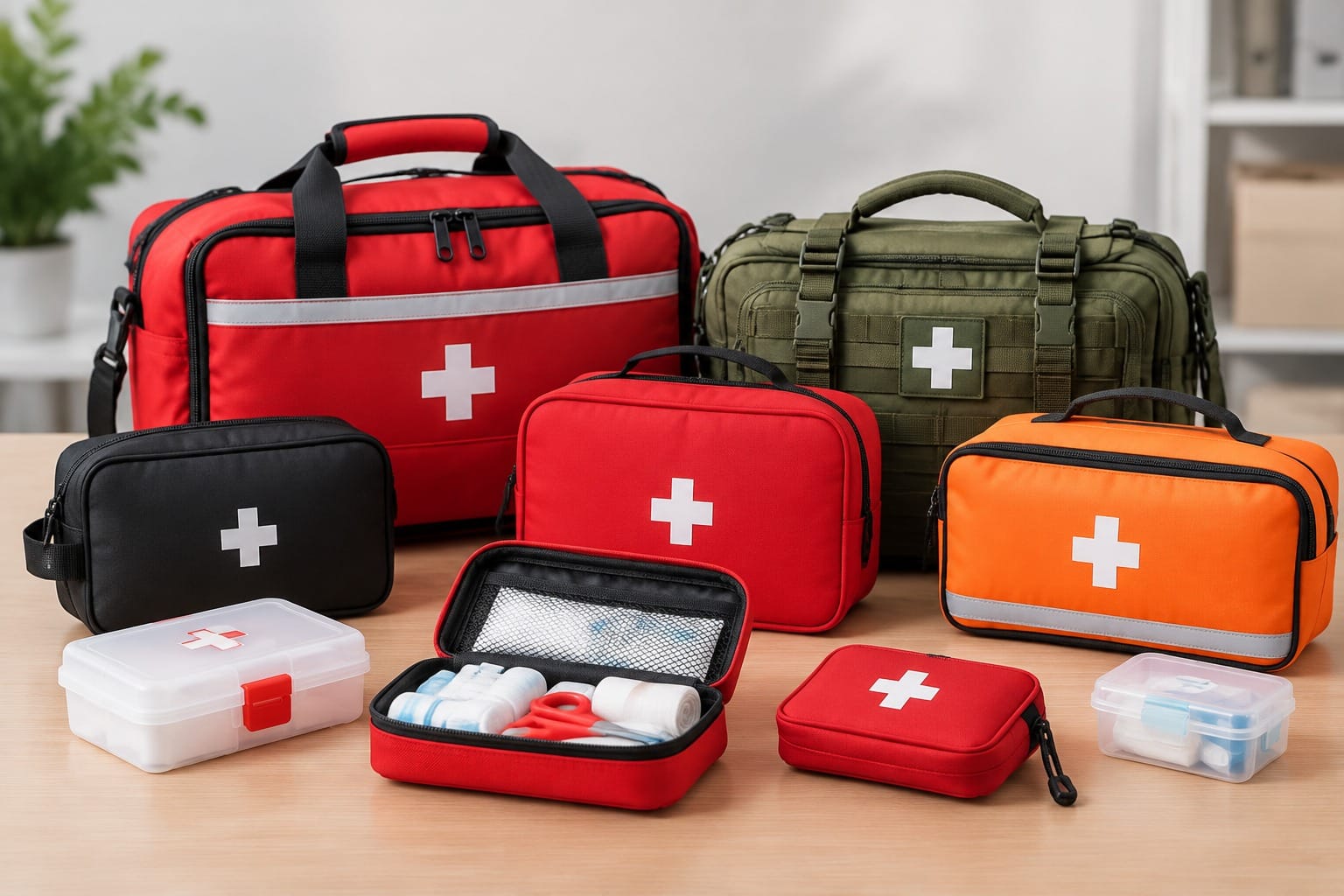
There is no universal number, and the reason is regulatory rather than commercial. In the United Kingdom, the Health and Safety Executive’s first aid guidance states the obligation in terms of adequacy. Equipment must be adequate and appropriate for the workplace and available when needed. The HSE leaflet on first aid at work does not prescribe a fixed inspection interval.
That absence of a fixed rule has a direct consequence for anyone selling refills. The cadence becomes a risk judgement, and risk judgements are made by the buyer, so the distributor has to ask for them rather than assume them.
Published practice converges on a tiered cadence. St John Ambulance Canada recommends a monthly inspection for workplace kits, with a named person accountable for the check and for the refill record. A compliance-oriented summary of inspection frequency puts a low-risk office at monthly with quarterly as a defensible floor, high-risk or high-use sites at weekly, and vehicles at monthly plus a check before long trips.
Those tiers translate into refill order patterns.
| Environment | Typical inspection cadence | Items that move fastest |
|---|---|---|
| Low-risk office, low use | Monthly, quarterly floor | Adhesive dressings, gloves, wipes |
| Retail, hospitality, schools | Monthly | Adhesive dressings, wipes, eye wash |
| Warehouse, workshop, kitchen | Weekly to fortnightly | Dressings, gloves, burn care items |
| Construction, high-hazard, remote | Weekly | Trauma and wound care consumables |
| Vehicles and field teams | Monthly, plus before long trips | Whatever was last used and never replaced |
Two operational facts follow from that table. The fastest-moving items are usually the lowest-cost ones, so a refill programme built only around high-value trauma components will not match real consumption. The same source notes that any item used should be replaced immediately rather than held over for the next scheduled check, which means the refill trigger is an event as well as a calendar date.
The honest answer to how fast consumables deplete is therefore a range, and the distributor’s job is to narrow it using the customer’s own numbers. Headcount, environment, incident history and the last inspection record take a plausible range down to a defensible one. None of those four inputs can be replaced by a default assumption, and the fourth is the one buyers most often fail to hold.
Planning a First Aid Refill Subscription Programme
Six steps, in order. Skipping any of them produces a programme that looks sound in the proposal and fails in month four.
- Capture the kit specification once, at component level. Not the kit name and not the category, but the component list with quantities as shipped.
- Map expiry dates onto a calendar. Consumables that carry dates, such as saline, sterile dressings and burn care items, create replacement demand even in a kit nobody has opened.
- Ask for the risk tier and the incident history. Those two inputs set the cadence. Without them the distributor is guessing on the buyer’s behalf.
- Set the buffer explicitly. A standing buffer of the fastest-moving items closes a gap in minutes rather than in a production cycle.
- Split the order envelope against the minimum order quantity. This is the step most programmes get wrong.
- Fix the record format. What was replaced, when, and against which component code. The record is what turns the next renewal into a conversation instead of an audit.
Step five deserves its own comparison, because it is where a refill programme meets manufacturing reality.
| Order pattern | What it looks like | Where it strains |
|---|---|---|
| One annual bulk refill | A single large shipment per year | Storage at the customer site, and expiry dates clustering |
| Scheduled smaller refills | Two to four shipments per year | Freight cost per shipment, and volume thresholds |
| Consumption-triggered refills | Order placed when the kit is checked or opened | Forecasting, and production lead time |
| Hybrid | A scheduled core plus triggered top-ups | Demands firm component continuity to work |
Most first aid kits in this catalogue carry a minimum order quantity from 1,000 pieces, which is a production figure rather than a per-site figure. One office does not generate that volume. A distributor serving twenty offices from a single component list does, and that aggregation is the core economic argument for handling refills at channel level rather than site by site. It is also why the tiered pricing structure of a quotation matters more at renewal than at first order.
Contract Terms That Decide Whether Refills Renew
Four clauses do most of the work, and each one is cheap to settle at the start and expensive to renegotiate mid-programme.
Component continuity. A refill is only repeatable if the components are repeatable. Where substitution is unavoidable, the notice period matters more than the substitution itself.
Price validity windows. A refill programme runs across quarters. A quotation that expires in thirty days forces a fresh comparison on every cycle, which is precisely the administrative burden the programme was meant to remove. A supply RFQ template that separates line items keeps renewal workable rather than painful.
Logistics for small shipments. Refill orders are smaller and more frequent than initial kit orders, so freight consolidation becomes a design constraint instead of an afterthought. The freight logic is the same as for a first kit order, but the cost per unit rises because the volume per shipment falls.
Who confirms the regulatory position. The party closest to the workplace can confirm what the destination market requires. Suppliers can issue specification, component and packaging documentation per item code, and should hand it over at the version actually shipped. Anything beyond that is a question for the importer or the end user to settle under their own national rules.
FAQ
What is a first aid refill subscription?
It is a supply arrangement in which a distributor delivers a defined list of first aid consumables to a customer on a defined schedule, rather than waiting for a single replacement order after the kit runs low. The programme normally specifies three things: a component list tied to the customer’s kit specification, a replenishment interval matched to the site’s risk tier, and a record of what was replaced at each cycle. It differs from a standing order because the component list stays fixed across cycles, which is what allows the buyer to skip a fresh sourcing decision at every renewal.
How often should first aid consumables be replenished?
It depends on the environment rather than on a fixed rule. Regulators in several markets state the obligation in terms of adequacy and availability rather than a specific interval, so published practice has converged on tiers. A low-risk office is typically checked monthly with quarterly as a floor, retail and hospitality monthly, higher-risk workshops and warehouses weekly to fortnightly, and construction or remote sites weekly. Vehicles are commonly checked monthly and again before long trips. Every tier shares one trigger, which is immediate replacement of anything used rather than waiting for the next scheduled check.
Is a first aid refill subscription cheaper than replacing whole kits?
It usually costs less than replacing complete kits, because the case, cabinet, bag and reusable tools normally outlast the consumables inside them. The saving depends on how much of the kit is genuinely exhausted and how much is still serviceable. A refill programme also shifts spend from a large infrequent purchase to smaller predictable ones, which changes cash-flow timing rather than only the total. The honest comparison requires a component-level view of the existing kit, since a programme priced against the full kit contents will overstate what each cycle actually needs.
How does a minimum order quantity affect small refill orders?
A production minimum order quantity is an order-level figure, not a per-site figure, and one workplace rarely reaches it. That gap is normally closed by aggregation rather than by negotiation. A distributor that serves several sites running the same component list can consolidate their refill demand into one production order, then split it at shipment. A first aid refill subscription that spans several sites is the usual way around this. Where aggregation is not possible, the practical options are a longer replenishment interval, a mixed order that combines consumables with a kit order, or a higher buffer held locally to smooth the cycles.
Who is responsible for checking the kit, the distributor or the end user?
The end user or importer owns the check, because the obligation attaches to the workplace and to the market of use. Suppliers and distributors support it by keeping components identifiable and documentation stable. In practice the split works like this: the distributor can supply the component list, the specification and the packaging documentation at the version shipped, and can plan a cadence against the risk tier the buyer supplies. Confirming which national rules apply, and what evidence satisfies them, stays with the party that faces the inspection.
The Channel View: Why Refills Outlast One-Off Tenders
A kit order is a transaction. A first aid refill subscription is a position.
The difference shows up in three places. Forecasting improves, because recurring consumption is easier to plan than a tender calendar. Customer retention improves, because the next purchase decision is never reopened. Working capital behaves differently, because revenue arrives in scheduled increments instead of in lumps tied to project cycles.
That is the argument for treating consumable replenishment as a channel product rather than as an after-sales courtesy. The B2B distribution strategy framework sets out how this fits alongside direct and institutional routes, and the channel metrics scorecard covers how to measure whether a refill programme is actually compounding. Demand timing interacts with it too, since refill cycles cluster in ways that a seasonal demand map makes visible ahead of the quarter.
None of it requires new technology. A first aid refill subscription requires a component list that does not move, a cadence the buyer has agreed to, and a record of what shipped last time. The distributor that can produce those three things on request will be the one asked for the refill, and the one asked for the next kit order as well. Assembled formats such as the emergency supply box range and the case-style supply box range are the natural starting point, because their component lists are already specified per configuration.
Repeat demand is the engine that makes an own-brand line viable, and the channel comparison behind that choice is set out in private label vs branded resale.